Contact Us: support@wecarebabies.com

Normal Baby Skin Changes vs Skin Problems (Parent Guide)

Normal baby skin changes are one of the first things parents notice—after the eyes and smile—when looking at their newborn.
One of the first things parents notice about their baby—after the eyes and smile—is the skin. Any small spot, redness, peeling, or rash can immediately cause worry, especially in the first few months.
A common question parents ask doctors:
“Doctor, yesterday the skin was fine. Today it looks different.”
This concern is completely natural. A baby’s skin is adjusting to life outside the womb, and that adjustment often shows up in visible ways. The challenge for parents is knowing which baby skin changes are normal and temporary—and which skin problems need medical attention.
This article will help you clearly understand normal baby skin changes vs skin problems that deserve a doctor’s opinion—without creating fear or confusion.
Table of Contents
Why baby skin changes so much in the first 6 months
Baby skin is not the same as adult skin. In the first few months:
- It is thinner
- It loses moisture easily
- It reacts quickly to heat, cold, friction, and moisture
- The protective barrier is still developing
Because of this, skin changes are expected, especially in babies under six months. Most of these changes settle on their own as the skin matures.
NORMAL baby skin changes (no need to panic)
These are common, harmless skin changes seen in healthy babies. They usually improve with time and gentle care.
1. Dry or peeling skin
Many newborns have dry or peeling skin, especially on:
- Hands
- Feet
- Ankles
This happens because the baby’s skin is shedding its outer layer after birth. It is not a sign of dehydration or poor care.
✔ What to do:
- Use gentle bathing
- Avoid over-bathing
- Keep skin moisturised if advised
2. Milia (tiny white spots)
Small white or yellowish dots on the nose, cheeks, or chin are very common. These are blocked skin pores.
✔ Important to know:
- They are painless
- They are not infections
- They go away on their own
❌ Do not squeeze or rub them.
3. Newborn acne
Some babies develop small red bumps or pimples on the face in the first few weeks.
This happens due to:
- Hormonal changes after birth
✔ What parents should know:
- It is temporary
- It does not scar
- It usually clears without treatment
4. Heat rash (prickly heat)
In warm or humid conditions, babies may develop tiny red bumps on:
- Neck
- Chest
- Back
- Skin folds
This is caused by sweat getting trapped in the skin.
✔ Common in warm environments
✔ Improves with cooling and good airflow
5. Birthmarks
Some babies are born with light or dark patches on the skin.
Most birthmarks:
- Are harmless
- Do not cause pain
- Fade or become less noticeable over time
A doctor may simply observe them during routine check-ups.
6. Mild redness in skin folds
Neck folds, underarms, and thigh creases may appear slightly red due to moisture and friction.
✔ Usually improves with:
- Gentle cleaning
- Proper drying
- Keeping the area cool
Skin changes that NEED medical attention
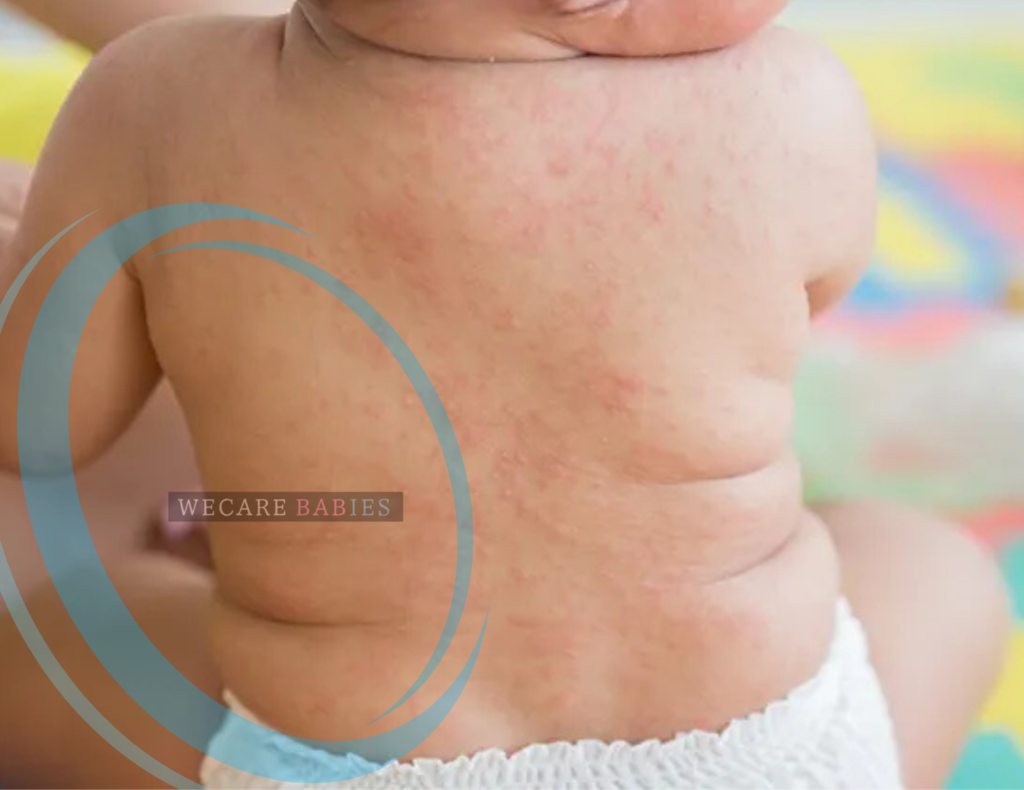
While many skin changes are normal, some signs should not be ignored. These do not automatically mean something serious, but they do need a doctor’s evaluation.
Normal baby skin changes usually resolve on their own as the baby grows, but some skin problems may need medical attention.
1. Rash that keeps spreading or worsening
If a rash:
- Becomes brighter red
- Spreads rapidly
- Does not improve in 3–4 days
…it is best to consult a pediatrician.
2. Oozing, cracks, or bleeding skin
Skin that:
- Cracks
- Oozes fluid
- Forms yellow crusts
may indicate infection or severe irritation and should be checked.
3. Rash with fever or poor feeding
Any skin change accompanied by:
- Fever
- Lethargy
- Reduced feeding
should be evaluated promptly.
4. Severe itching or constant discomfort
If your baby:
- Is very irritable
- Tries to scratch constantly
- Cries when skin is touched
this suggests discomfort beyond normal skin adjustment.
5. Sudden colour changes
Seek medical advice if you notice:
- Blue or purple patches not related to cold
- Pale or greyish skin
- Yellowing spreading beyond the face and chest
These changes need professional assessment.
Some parents also wonder whether baby products are safe for daily use. You can read our detailed guide on is baby powder safe for daily use on infants to understand the risks and safer alternatives.
Common mistakes parents make (with good intentions)
Normal baby skin changes can look alarming at first, but most of these changes are harmless and temporary.
Many skin issues worsen due to over-correction.
Common examples:
- Using too many products
- Frequent soap use
- Scrubbing the skin
- Applying home remedies without guidance
Baby skin heals best with simple, gentle care.
How parents can support healthy baby skin
Daily skin care basics
- Bathe gently, not too often
- Use lukewarm water
- Pat dry instead of rubbing
- Dress baby in breathable clothing
Environmental care
- Keep baby cool in summer
- Avoid overdressing
- Ensure good ventilation
These steps prevent many avoidable skin problems.
When parents should feel reassured
You can usually stay calm if:
- Baby is feeding well
- Baby is active and comfortable
- Skin change is mild and stable
- No fever or signs of illness are present
Observation is often enough.
Doctor’s reassurance & closing advice
Most baby skin changes are normal and temporary.
They are part of the skin learning how to function outside the womb.
At the same time, you should never feel hesitant to seek medical advice if something feels unusual. A short consultation can offer reassurance and prevent unnecessary worry.
Trust your observations. Avoid panic. Use gentle care. And remember—your baby’s skin will mature with time, just like your confidence as a parent.
According to the MSD Manual, most rashes in infants are harmless and related to skin sensitivity, irritation, or temporary conditions, but persistent or severe rashes should be evaluated by a doctor.