Contact Us: support@wecarebabies.com

How often should a newborn baby be bathed?

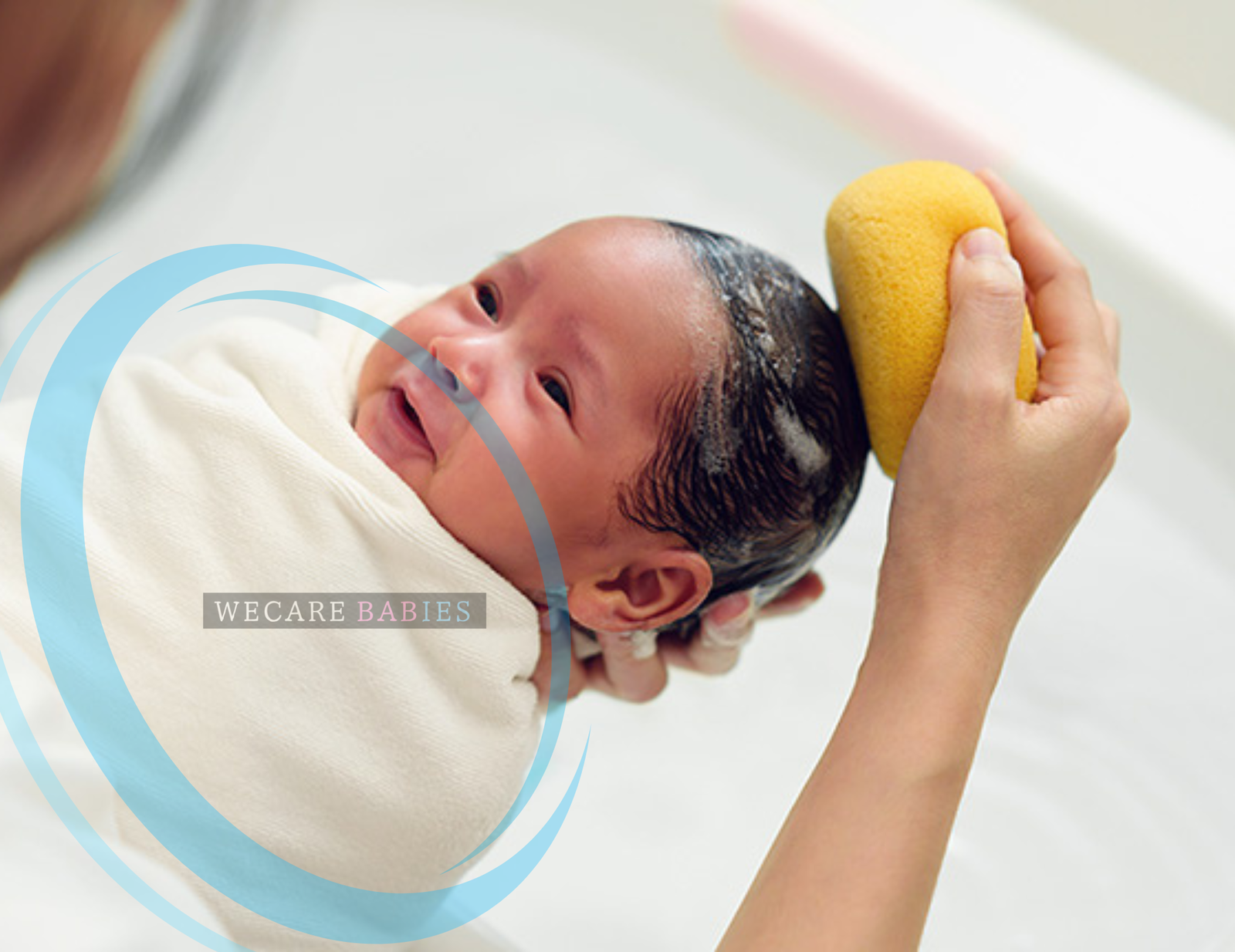
So how often should a newborn baby be bathed? The answer depends on age, skin type, and climate—but most babies do not need daily bathing.
how often should a newborn baby be bathed
The confusion is understandable. Elders may advise daily bathing for cleanliness. Some say bathing too often causes colds. Online advice ranges from “every day” to “once a week.” As parents, you are left wondering what is right for your baby.
This confusion becomes stronger because weather conditions, hygiene habits, and cultural practices vary widely across the world. A newborn’s skin is delicate, new to the outside environment, and easily affected by water, soap, and temperature changes.
This article explains newborn baby bathing frequency in a calm, practical way—based on real-world pediatric experience with newborns, not theory.
Table of Contents
What bathing really means for a newborn
For adults, bathing usually means cleaning the whole body daily.
For a newborn baby, bathing serves a different purpose.
In the first few weeks of life:
- Babies do not sweat like adults
- They are not exposed to dirt
- Their skin produces very little oil
Most newborns only get:
- Milk spills
- Diaper-area soiling
- Mild moisture in neck or skin folds
So bathing a newborn is not about removing dirt, but about:
- Gentle hygiene
- Comfort
- Maintaining healthy skin
This distinction is very important and often misunderstood.
Parents often ask how often a newborn baby should be bathed, especially during hot or humid weather.
How Often Should a Newborn Baby Be Bathed? (What Pediatricians Recommend)
Based on years of pediatric practice, the general recommendation for newborns (0–1 month) is:
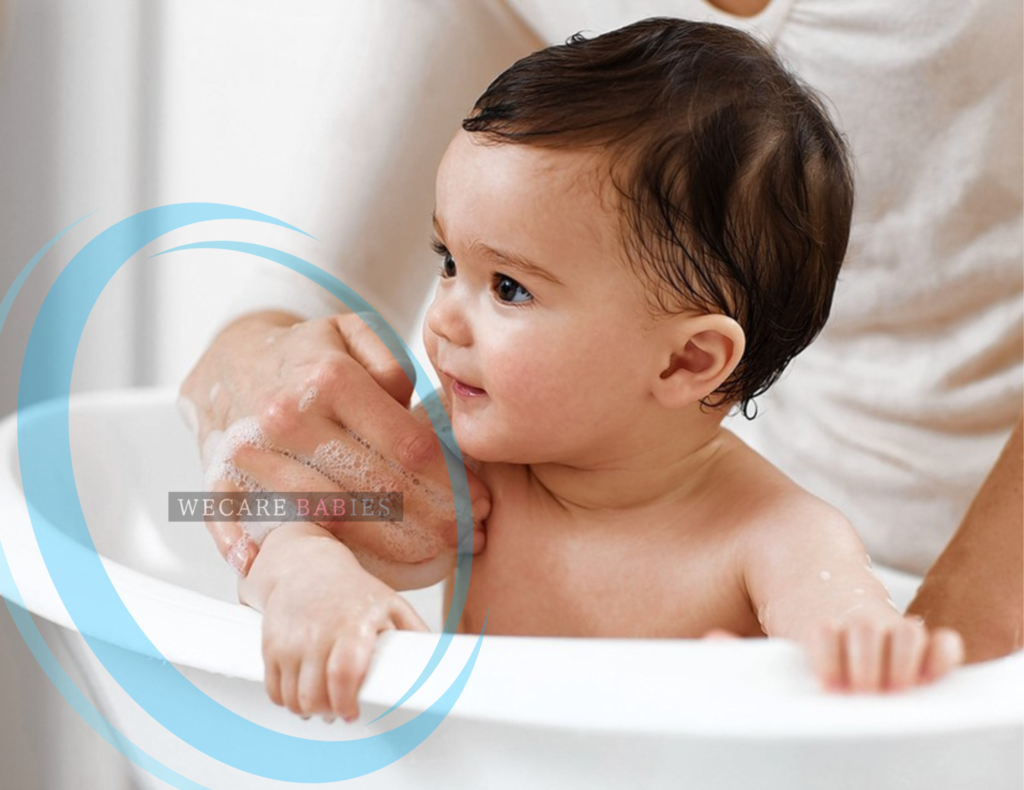
So how often should a newborn baby be bathed? For most babies, 2–3 times per week is usually enough.
👉2–3 baths per week are enough
Daily bathing is not necessary for most newborns.
On days without a full bath:
- Clean the diaper area properly
- Gently wipe the neck, hands, and skin folds
- Keep the baby dry and comfortable
This approach maintains hygiene without damaging the baby’s natural skin barrier.
Over-bathing vs under-bathing: understanding both risks
🚿 Over-bathing (very common)
Bathing too frequently can:
- Dry out newborn skin
- Remove natural protective oils
- Increase the risk of rashes
- Worsen eczema or dryness
Signs of over-bathing include:
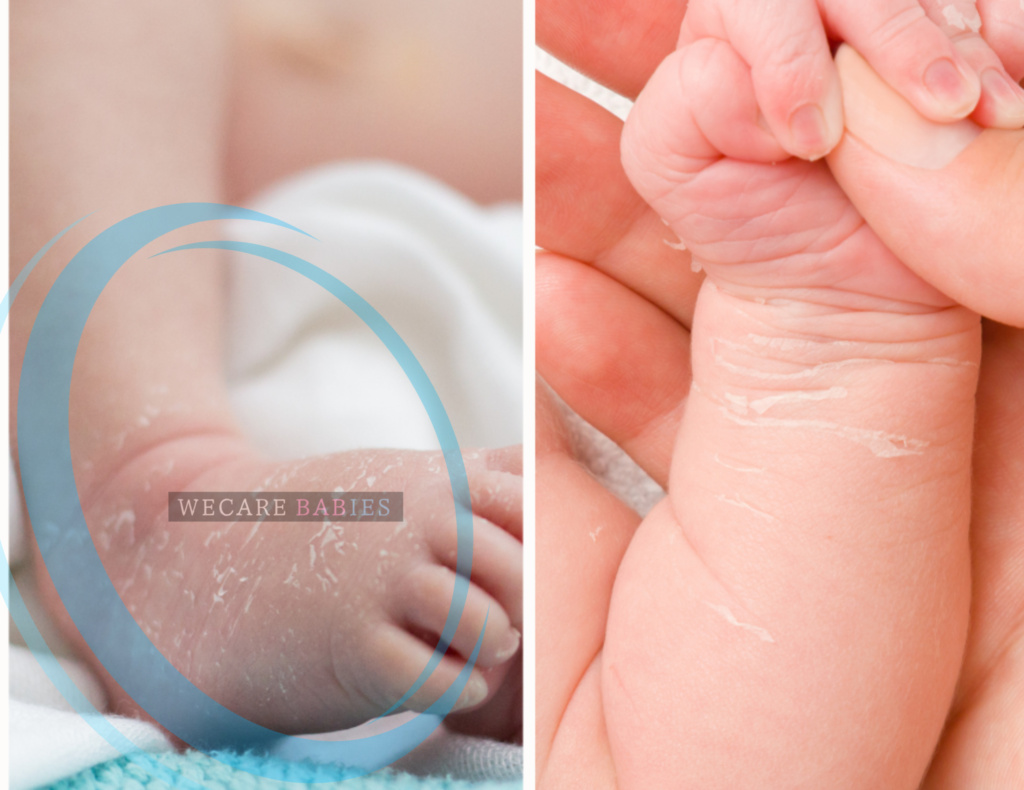
- Flaky or peeling skin
- Redness after baths
- Increased crying during bathing
Many parents bathe daily believing it is hygienic, but newborn skin does not need daily soap and water.
🚫 Under-bathing (less common but possible)
Very infrequent bathing can lead to:
- Milk residue buildup
- Rashes in neck or skin folds
- Diaper-area irritation
Under-bathing usually becomes a problem only when:
- Spills are not cleaned
- Diaper hygiene is poor
- Skin folds remain damp
So the goal is balance, not extremes.
Bathing frequency based on weather and environment
So, how often a newborn baby should be bathed depends on the baby’s age, skin condition, and local climate.
Climate plays a big role in deciding how often to bathe a newborn.
🌞 Summer (hot & humid months)
In warmer conditions:
- Babies sweat more
- Skin folds become moist easily
Recommended approach:
- Full bath: 2–3 times a week
- Daily cleaning of:
- Neck
- Diaper area
- Hands and feet
Plain lukewarm water can be used more often without soap if the baby is sweaty.
❄️ Winter (cooler months)
During colder weather:
- Skin dries out faster
- Risk of cold exposure is higher
Recommended approach:
- Full bath: 1–2 times a week
- Shorter bath duration
- Warm room and warm water
In winter, over-bathing causes more harm than benefit.
🌧️ Rainy or humid seasons
Humidity can cause:
- Rashes in skin folds
- Fungal infections if skin stays damp
Focus on:
- Proper drying after cleaning
- Keeping skin folds dry
- Clean clothes and bedding
Bath frequency can remain moderate.
Hygiene without harming baby skin
Good hygiene does not mean frequent bathing.
Daily hygiene essentials
- Clean diaper area after every change
- Gently wipe milk dribble
- Keep neck folds dry
- Change wet clothes promptly
Bathing tips that protect skin
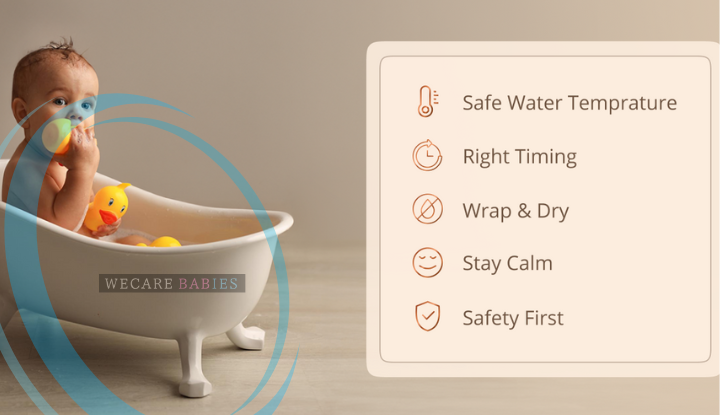
- Use lukewarm water
- Keep baths short (5–10 minutes)
- Avoid scrubbing
- Pat dry, don’t rub
A newborn’s skin improves when it is treated gently and consistently.
Common advice from elders (and how to handle it gently)
Many grandparents believe:
- Daily bathing builds strength
- Skipping baths causes illness
- Oil massage must always be followed by a bath
These beliefs come from a time when:
- Homes were less climate-controlled
- Cloth diapers were commonly used
- Hygiene practices were different
You can respectfully explain that:
- Newborn skin is very sensitive
- Doctors now advise fewer baths
- Cleanliness can be maintained without daily bathing
Balancing medical advice with family harmony is important.
When bathing routine may need adjustment
You may need to change bathing frequency if:
The baby has frequent rashes
Skin becomes very dry
The baby cries excessively during baths
A pediatrician advises otherwise for a skin condition
Every baby is different. Observation matters more than rigid rules.
Doctor’s reassurance & closing advice
There is no single perfect bathing schedule for every newborn.
For most babies:
- 2–3 baths per week are enough
- Daily cleaning matters more than daily bathing
- Gentle care protects baby skin better than frequent washing
If your baby looks comfortable, feeds well, and has healthy skin—you are doing it right.
When in doubt, keep things simple. Your baby’s skin will slowly adapt, and your confidence as a parent will grow with time.
According to NHS guidance on newborn care, babies do not need to be bathed daily and overbathing can dry out their skin.
For related skin care concerns, you may also find our guide on is baby powder safe for daily use on infants helpful.
Understanding how often a newborn baby should be bathed helps parents avoid over-bathing and protect a newborn’s delicate skin.
If you are still wondering how often should a newborn baby be bathed, remember that gentle care matters more than frequent washing.