Contact Us: support@wecarebabies.com

Is diaper rash common in newborn babies?

Is diaper rash common in newborn babies? For many first-time parents, the first few weeks after birth can be filled with both joy and anxiety. For many first-time parents around the world, the first few weeks after birth are filled with equal parts joy and anxiety. One of the most common worries is noticing redness in the diaper area and wondering, “Is this normal?”
Many parents ask whether is diaper rash common in newborn babies during the first few months of life. Understanding is diaper rash common in newborn babies helps parents avoid unnecessary worry.
Newborns spend many hours wearing diapers, and their skin is still adapting to life outside the womb. A baby’s skin is extremely delicate—much thinner than adult skin and still learning to act as a protective barrier. Because of this, even mild redness can look alarming to parents.
The short and honest answer is this: yes, diaper rash in newborn babies is very common, especially in the first 1–3 months. Most cases are mild, temporary, and easily manageable at home once parents understand why it happens and how to care for it properly.
This article is written to reassure you, not scare you. We’ll explain what diaper rash really is, why it happens so often in newborns, and how parents can handle it safely without panic.
Table of Contents
Is Diaper Rash Common in Newborn Babies? What It Really Means
Many parents wonder, is diaper rash common in newborn babies during the first few weeks of life. The short answer is yes, diaper rash is common in newborn babies because their skin is still adjusting.
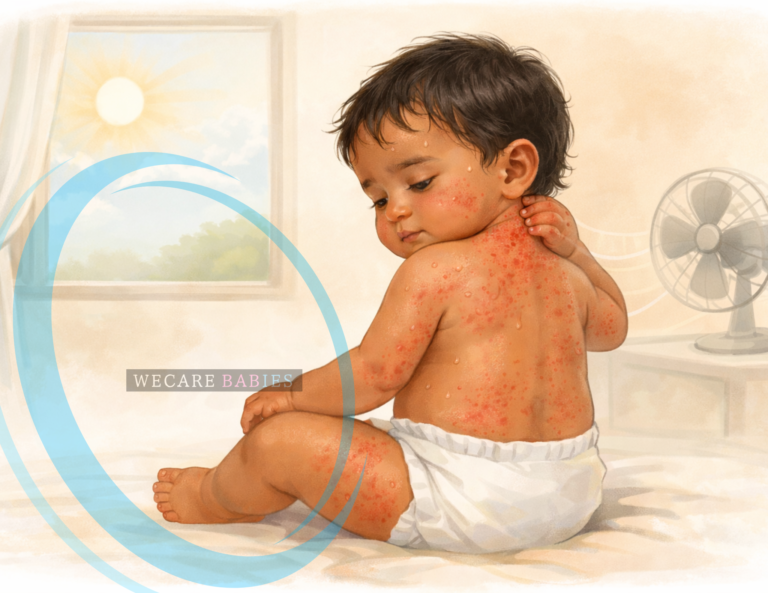
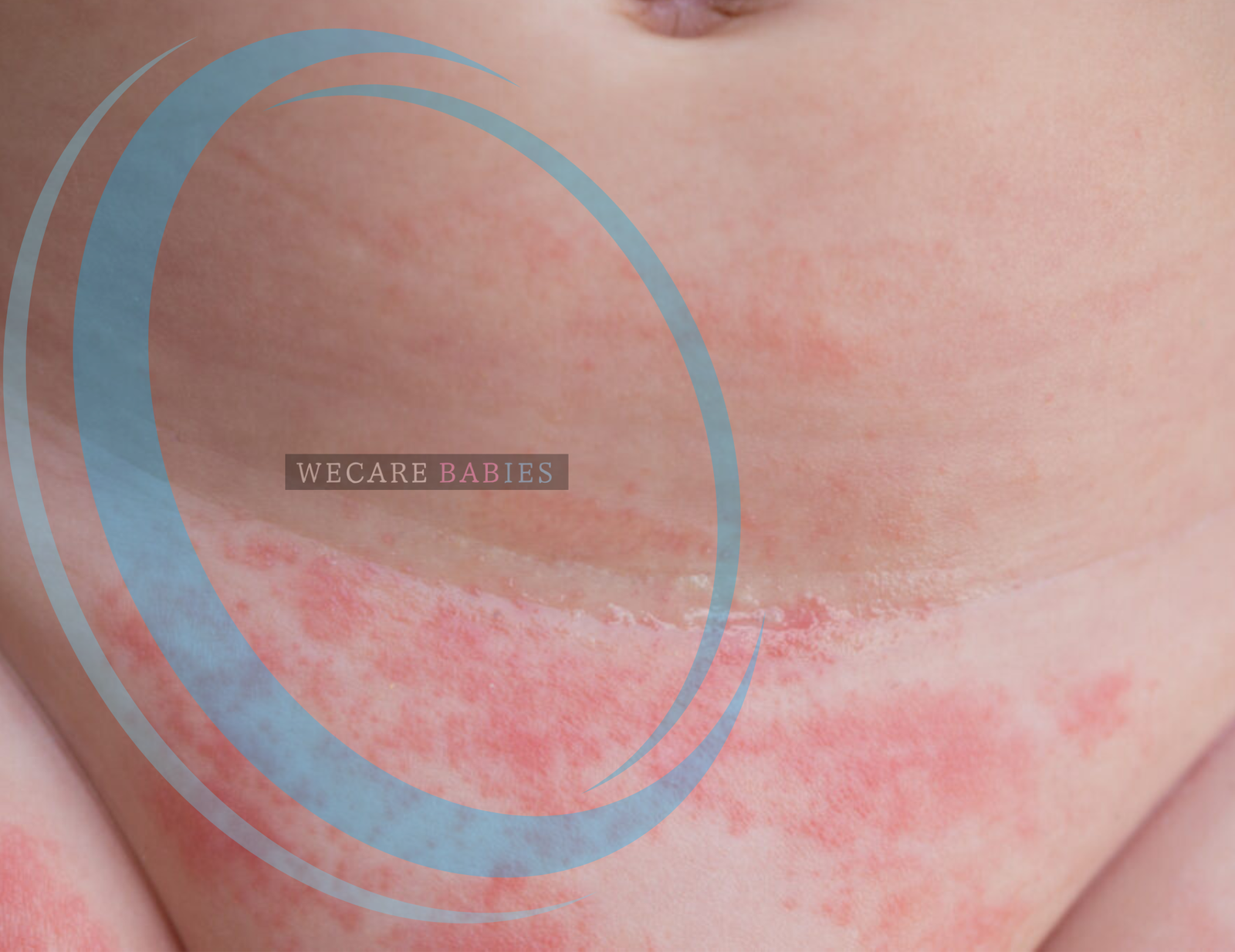
Diaper rash is skin irritation in the area covered by the diaper—usually the buttocks, inner thighs, and around the genitals. In newborn babies, it typically appears as:
- Mild redness
- Warm skin to the touch
- Slight discomfort during cleaning
In most cases, this is not a disease. It is simply a reaction of sensitive newborn skin to moisture, friction, and contact with urine or stool.
In newborns, the skin barrier is still developing after birth. This means:
- Moisture stays on the skin longer
- Heat can build up easily
- The skin reacts faster to irritation
If you are still asking is diaper rash common in newborn babies, remember that mild cases are very normal and manageable. That’s why diaper rash can appear even when parents are being careful and attentive.
Common mistakes parents make
Over the years, we have noticed that diaper rash often worsens not because of neglect, but because of well-intentioned mistakes.
1. Leaving diapers on for too long
- Many parents hesitate to disturb a sleeping newborn. But even a slightly wet diaper left on for hours can irritate sensitive skin.
2. Over-cleaning the area
- Cleaning too frequently with wipes or rubbing the skin hard can damage the skin barrier. Newborn skin does not need aggressive cleaning.
3. Using scented wipes or soaps
- Fragrances may smell pleasant, but they often irritate newborn skin. Many diaper rashes begin after introducing a new scented product.
4. Applying too many products
- Using powders, creams, oils, and home remedies together can clog pores and trap moisture, making the rash worse.
5. Believing diaper rash means poor hygiene
- This belief creates unnecessary guilt and panic. Diaper rash can occur even in very clean, well-cared-for environments.
What pediatricians usually recommend
In everyday pediatric practice, diaper rash care is kept simple and gentle. Over-treatment is rarely needed.
1. Keep the area clean, not scrubbed
Use plain lukewarm water and soft cotton or a clean cloth. Pat dry gently—avoid rubbing.
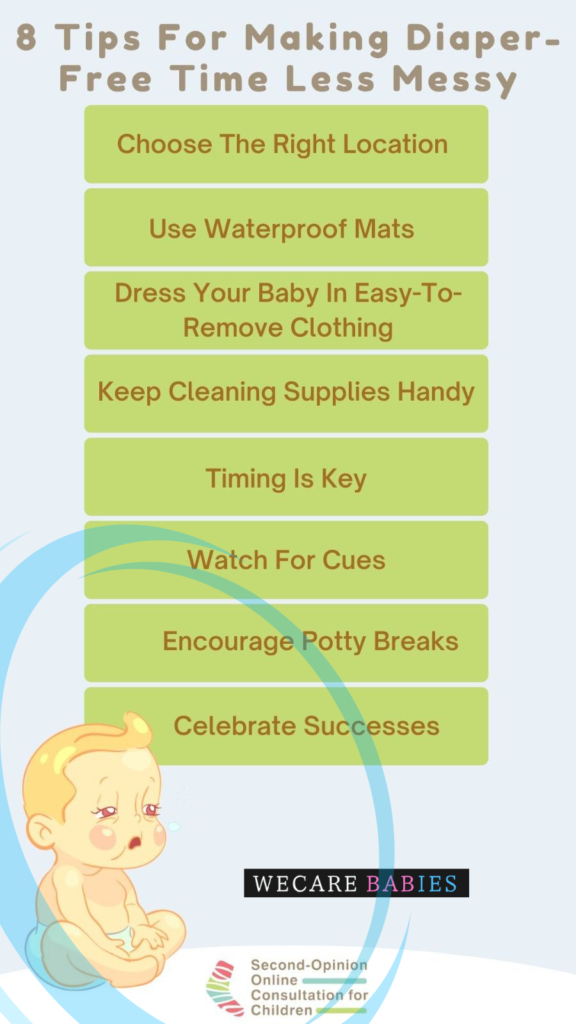
2. Increase diaper-free time
Allow the baby to stay without a diaper for short periods. Air exposure helps the skin heal naturally.
3. Change diapers frequently
Especially after bowel movements. Even small amounts of stool can irritate newborn skin quickly.
4. Use a thin protective layer
A simple barrier cream (often zinc-based) helps protect the skin from moisture. Apply a thin layer, not a thick coating.
5. Avoid unnecessary products
If a product isn’t needed, don’t use it. Newborn skin responds best to minimal intervention.
Safe practices for different climates & environments
Environmental conditions play an important role in diaper rash, so care should be adjusted accordingly.
In hot or humid conditions
- Change diapers more frequently
- Use breathable diapers
- Avoid plastic or waterproof covers over diapers
During warmer months
- Keep the baby cool
- Avoid overdressing
- Ensure good airflow in the room
In rainy or damp seasons
- Dry the diaper area thoroughly
- Avoid damp clothing
- Watch for fungal rashes if redness spreads
At home
- Use soft cotton nappies occasionally if suitable
- Wash baby clothes with mild, fragrance-free detergent
- Keep nails short to avoid accidental scratching
These small adjustments make a big difference.
When parents should worry
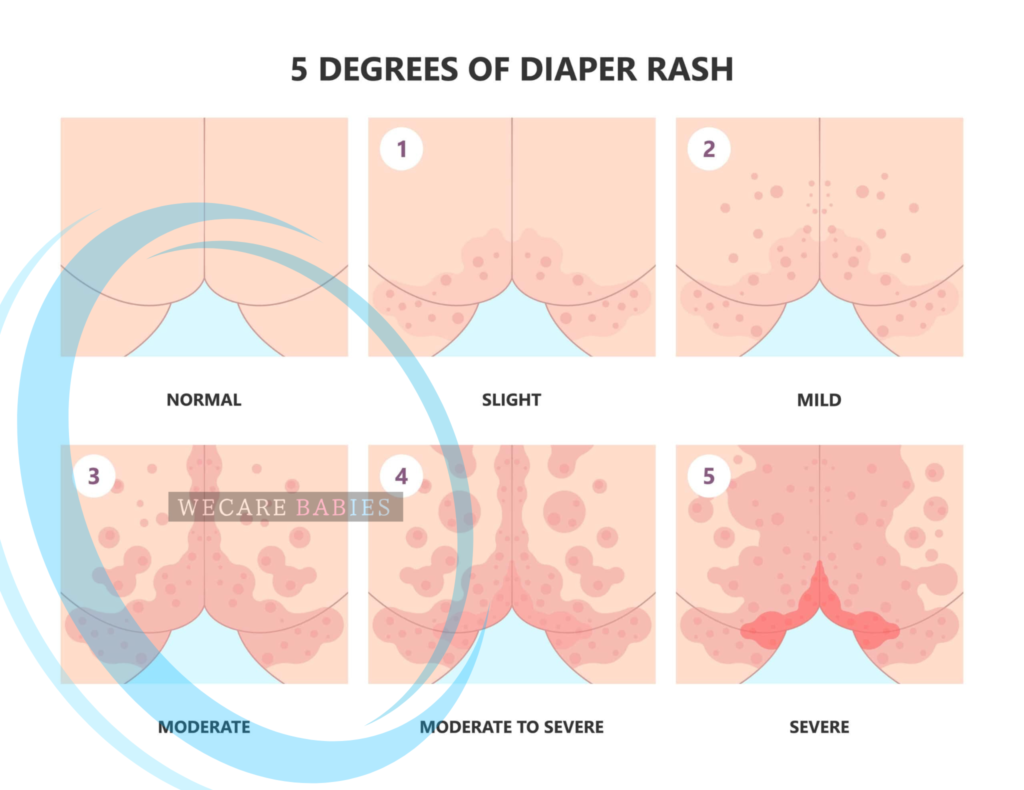
Most diaper rashes are mild and improve within a few days. However, parents should consult a pediatrician if:
- The rash does not improve after 3–4 days
- Redness becomes very bright, shiny, or intense
- Small white or red spots appear around the rash
- The skin starts cracking, oozing, or bleeding
- The baby seems very uncomfortable or cries during urination
These signs may suggest a secondary infection that needs medical advice. Avoid self-medicating in such cases.
Doctor’s reassurance & closing advice
Pediatricians consistently reassure parents of one important thing: diaper rash in newborn babies is common, manageable, and usually harmless.
It does not mean you are doing something wrong as a parent. It does not mean your baby has a serious problem. It simply means your baby’s skin is adjusting to the outside world.
Stay calm. Keep care gentle. Avoid experimenting with too many products. Trust your instincts, and seek medical advice when something feels unusual.
Your baby’s skin will grow stronger with time—and so will your confidence as a parent.
According to the mayo clinic, diaper rash is common in babies and usually improves with simple care.
You can also read our guide on how often should a newborn baby be bathed for hygiene tips.
For general skin concerns, see our article on normal baby skin changes vs skin problems.